
 Handheld shots are filmed with the camera being held by hand, without the use of a tripod. It is often used to make the audience feel as though they are part o
f a scene, rather than viewing it from a detached, frozen position. We are going to use this after the victim is alone in the forest and starts to get scared. We are using this to make the audience share the victims fear as they may be able to relate to being scared of dark forests so making it seem like they are part of the scene will make them bond with the victim and become more emotionally attached to her. This is a common method of getting the audience engrossed into the film.
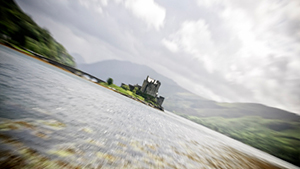 Canted angles are when the camera is tilted. We will feature this from the point of view of the antagonist as he watches the victim. Canted angles suggest imbalance and mental instability, we are using this as our target audience research told us that our audience prefer thrillers with psychological elements. Canted angles are commonly featured in horror films and while we are making a thriller we want our opening sequence to be shocking and scare the audience.
 A low angle shot is when the camera is low and faces upwards towards the focus of the shot. We are going to have a low angle shot of the antagonist as it makes him appear bigger and more powerful thus making the audience worry as they know he has evil intentions. We are also going to have a contrasting high angle shot of the victim alone in the forest. This will make her look weak and vulnerable in comparison which makes the audience worry as they don't believe she has a chance against the powerful antagonist. This is conventional as the antagonist is always portrayed as much more powerful than the victims and the only one who can stop him is the protagonist of the film.
 Point-Of-View shots are when what is shown on the screen is supposedly from the perspective of one of the characters, this puts the audience in their shoes. We are going to have a POV shot from the perspective of the victim during her paranoia as she focuses on all the shadows around her and starts hearing noises. We are doing this to emphasize how scared she is and also engage the audience as they join her in trying to spot anything suspicious. Thriller films often have shots from the victims point of view as a way to make the audience share the same fear as the victim. This makes them care about the film more as they want to see the antagonist defeated.
 A long shot is from far away enough that several characters and some of the background can be seen. We are going to have a long shot at the start of the scene when all the girls are together walking through the forest. This is going to emphasize how everything started in equilibrium as we will see the girls laughing and chatting happily with relaxed body language. The audience know this equilibrium won't last long but it's conventional for thrillers to start this way as many follow Todorov's narrative theory and in our film the equilibrium is disrupted by the antagonist.
To conclude I think that our opening sequence will be successful as we use conventional thriller techniques to accomplish our main goal of getting the audience engrossed in the film during the opening sequence so they are interested in watching the rest of the film. This planning is helpful as we now know exactly what shots we need to get when we go out and film our opening sequence.

You have provided a good analysis of the cinematography you intend to use within your sequence, explaining what they should create
ReplyDeleteYou need to:
1) Try and elaborate on some of your examples by explaining how and why these techniques are conventional of the genre and how the audience are able to build a relationship with characters as a result
2) Elaborate on your conclusion by explaining how these techniques make the sequence more conenvtional